
Added sugar, made visible
25 grams.
That's how much added sugar the American Heart Association says a woman should have in a day. Most of us have closer to double — and most of it isn't dessert. It's bread, sauce, yogurt, "healthy" granola. SucreSage shows you where yours is coming from, a day at a time.
Why it matters
The one change that tends to move everything else.
Steadier energy through the afternoon. Fewer late-day cravings. Calmer skin. And the one women mention most: the last five or ten pounds that wouldn't budge, quietly going — without counting a calorie or giving up a food group.
It isn't magic, and it isn't a promise. It's that added sugar is the thing most of us take in far more of than we think, and the thing almost nobody is measuring. Hormones shift as the years go by, too, and what you got away with at 25 shows up at 45 — not because anything's wrong, but because the rules changed and nobody mentioned it.
Ask the women whose energy you envy what they changed, and it's rarely a gym. Over and over, it's sugar: less of it, noticed, on purpose. The least glamorous habit in wellness, and the one that keeps turning up.
“Your body at 45 isn't the same engine it was at 25. It doesn't need less care — it needs better fuel.”

Where to start
Start with the simplest thing.
There are bigger, more drastic ways to change how your body handles food, and for some people those are the right answer. Most of us, though, have never tried the smallest one: actually seeing how much added sugar we take in, and starting there.
No plan to follow, no foods off limits, nothing to give up before you've even begun. Just a number you've never seen before, which turns out to explain a lot.
This isn't medical advice, and it isn't a replacement for a conversation with your doctor — it's a place to start while you decide what's right for you.
How it works
Three simple ideas. No spreadsheet.
01
Notice
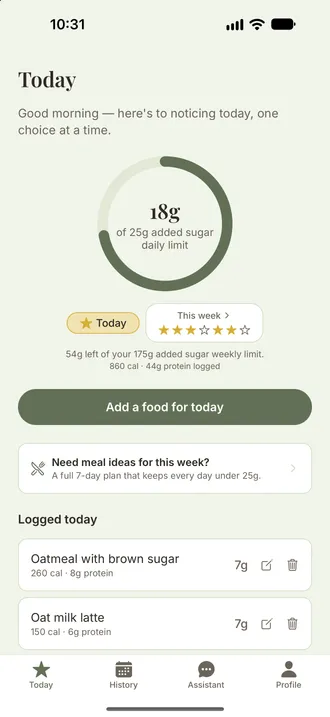
Log anything you eat — search nearly two million foods, scan a barcode, snap a photo, or add your own. Watch a daily ring fill in instead of a wall of numbers.
02
Earn the day
Stay under your daily number and the day earns a gold star. Miss it and the next day starts fresh — no penance to do.
03
Build a pattern
A week, then a month, of actually seeing where your added sugar comes from — the beginning of changing it, without a single rule about what you can't eat. Share the weeks you win with friends.
What's inside
More than a place to write things down.
A gold star for the day
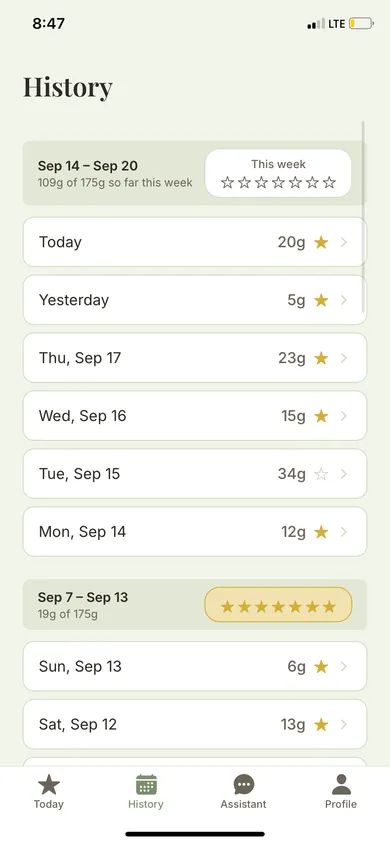
Stay under 25 grams and the day earns a gold star. Stay under for the week and every star stays lit — one high day doesn't undo it, because the week's total is what counts. It's the difference between a habit and a rule.
Nearly two million foods
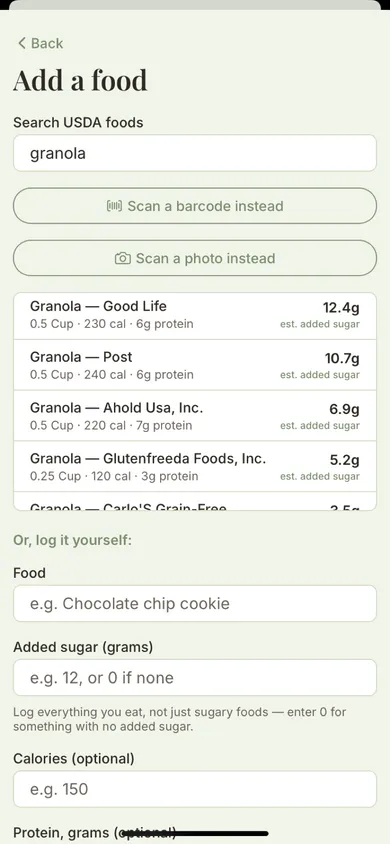
SucreSage is plugged into the USDA's database of packaged foods, so most things you buy are already in there — search by name or brand. Only about a quarter of them actually report their added sugar, though. For 1.3 million more, we worked it out from the ingredients and the total sugar, so you don't have to. Each result says which kind of figure you're looking at, and the handful we can't work out say so rather than guess.
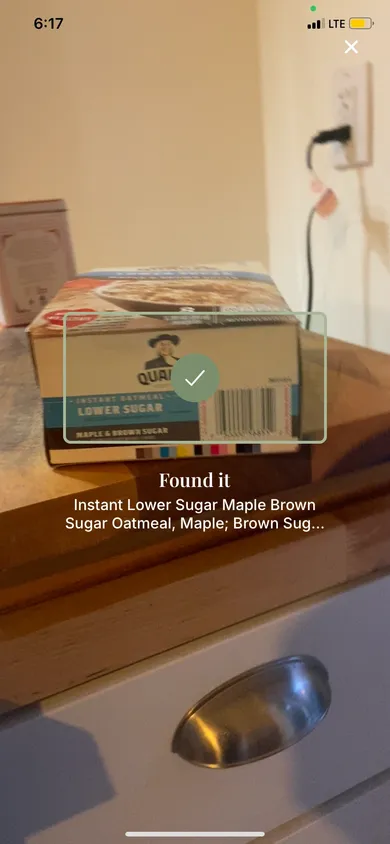
Point your phone at it
Scan the barcode and the food is filled in for you, serving size and all. Packaged food in your cupboard, a drink from the vending machine, a snack bar in your bag: point, and it's logged.
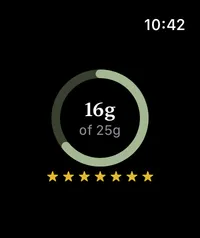
On your wrist
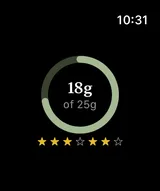
Today's number and the week's stars on your Apple Watch, and on your watch face too, so you know where you stand without opening anything. Seven stars is a perfect week.
Also inside: a seven-day meal plan that keeps every day under 25 grams, and a week of stars you can share with a friend.
Eating out, eating anywhere
Life doesn't come with a barcode.
The breakfast buffet at a work meeting. The cafeteria line. Dinner out with friends. That's where most tracking falls apart, and where SucreSage gets simpler, not harder.
Snap it
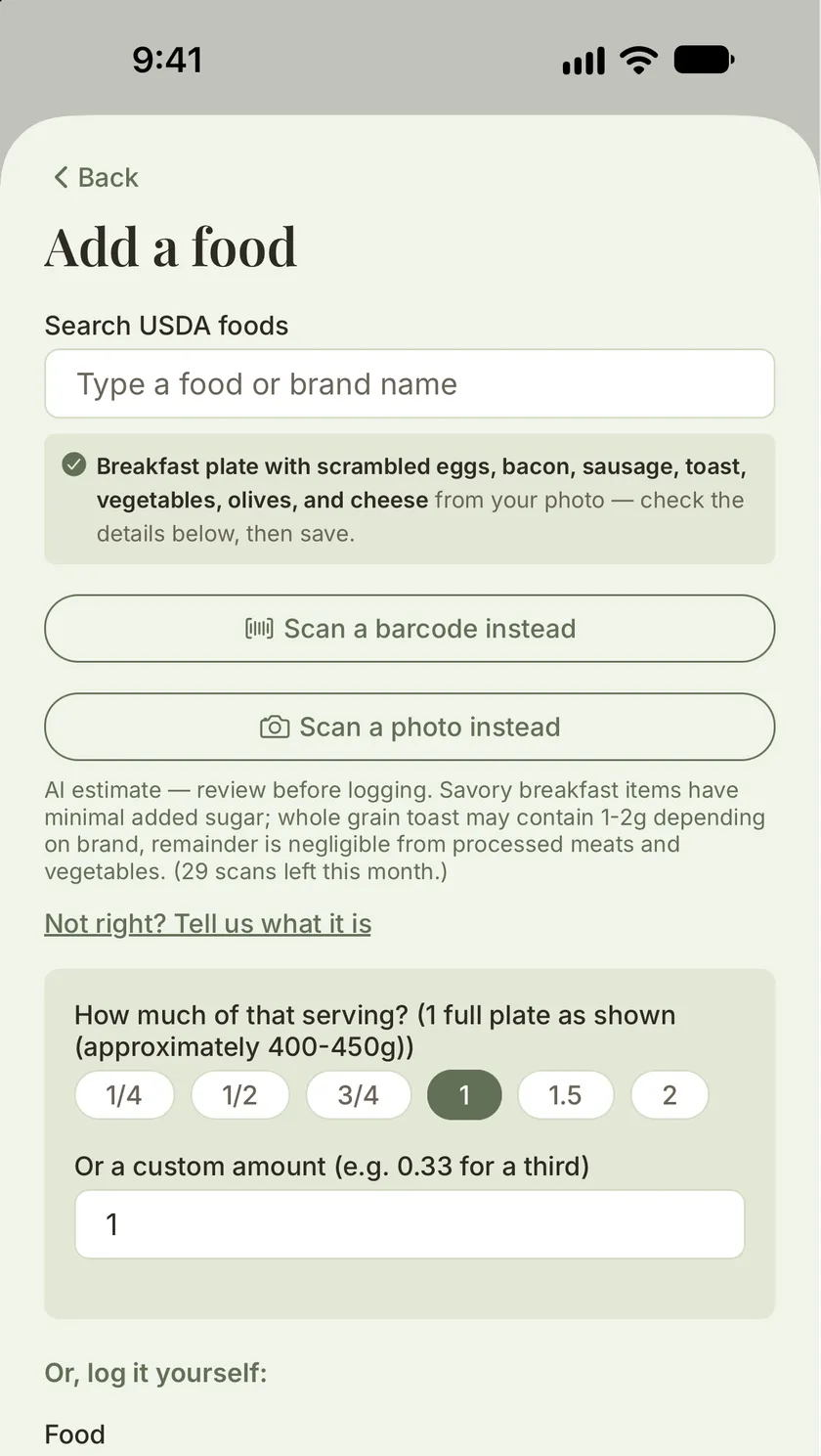
Take a photo of your plate and SucreSage estimates the added sugar, clearly marked as an estimate you can adjust. No barcode, no searching, no guessing.
 Your photo
Ask it — it knows your day
“I'm at a lunch buffet at a work meeting. What's my best bet?” The assistant already knows what you've logged today and how much you have left, so its answer fits your day, not someone else's. And it never lectures.
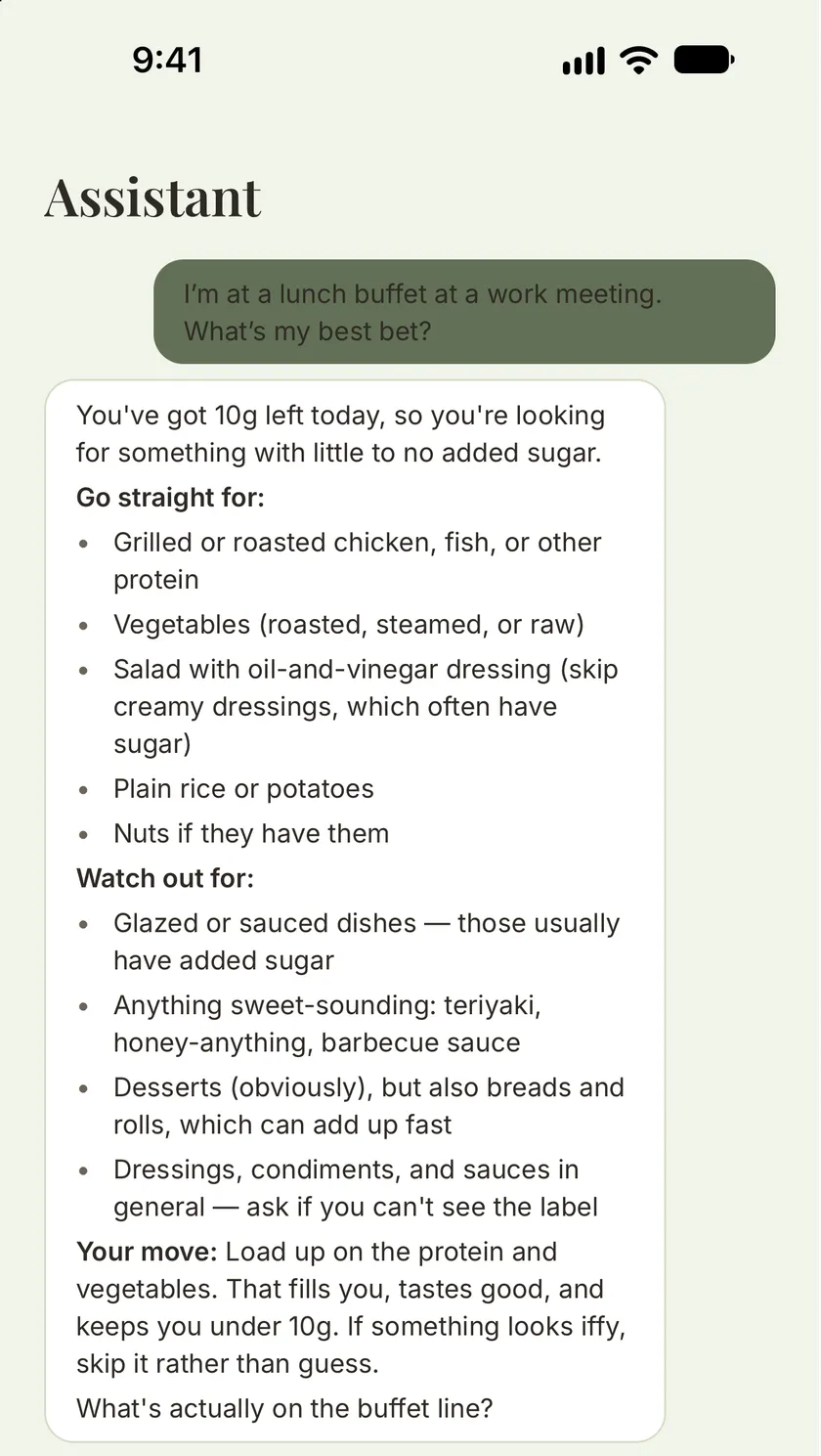
Photo logging and the assistant are part of SucreSage Premium.
Winning the week
Even with an off-day, you can always win the week.
Your days
Thursday was a birthday: 61g in one day.
Your week — 146g of 175g
Under for the week, so all seven light up. Thursday included.
Your number, not ours
25 grams a day is what the American Heart Association recommends for women, so that's where SucreSage starts. With Premium, set it higher while you find your feet, or lower if you're pushing — every star measures against your number.
Win the day, win the week
Every day under your number earns a gold star. The week has its own number — seven days' worth, 175 grams by default — and finishing at or under it lights up the whole week, the off-day included. An off day doesn't cost you the week, and nothing scolds you.
Worth telling someone
A week under your limit is an actual achievement. Send it to a friend, or start a quiet competition with someone who's also had enough of hidden sugar.

No guilt, no gimmicks
This isn't a diet app.
SucreSage helps you track the number that actually matters — added sugar — because it's so often the one thing quietly working against everything else you're doing right. Curious about calories or protein for something you logged? They're right there too, in smaller print — just never the point.
From the journal
Notes on sugar, hormones, and starting small.

A Different Kind of First Step
It can feel like there are only two options: something drastic, or carrying on as before. There's a smaller first step almost nobody tries — seeing how much added sugar is actually in your day.

The 25-Gram Rule: Where It Actually Comes From
25 grams of added sugar a day isn't an arbitrary wellness-influencer number. Here's where it comes from, why it's lower for women than men, and what it actually looks like on a plate.

What Actually Changes With Added Sugar After 40
Your body doesn't process added sugar the same way it did at 25. Here's what's actually happening hormonally — and why noticing matters more now, not less.
In others' words
A dietitian's view.
“Added sugar is easy to overlook but can have a meaningful impact on our health, making the ability to notice hidden sources and reduce intake a simple, practical step toward sustained energy, chronic disease prevention, and overall well-being. Anchoring daily goals to the American Heart Association’s guidance and rewarding consistency over perfection reflects how lasting, healthy habits are built.”
Get the app
Coming soon to iPhone and Android.
SucreSage is in its final stretch before launch. Leave your email and you'll be among the first ones in.